
Elena Fabrikant
Elena Fabrikant
Portfolio
Portfolio
The Ovulation Cycle Experiment
The Ovulation Cycle Experiment
The ovulation cycle is one of the most fundamental biological processes in the human body, but it is consistently taught in a way that makes it nearly impossible to retain. In most biology classrooms, it is presented through static diagrams and a microscopic scale that offers no tangible point of reference. Without a way to experience the cycle, especially without a bodily experience, the knowledge rarely sticks.

Proposal
The Ovulation Cycle Experiment is an augmented reality experience for Apple Vision Pro, designed for secondary school students, that makes the cycle physically explorable, interactive and memorable. Inspired by classic hormone cycle diagrams, the experience focuses on the three phases of the ovulation cycle and the four key hormones FSH, LH, estrogen, and progesterone. Students drag the hormones through space, walk around the egg cell, and hear the cycle explained as they go.
This work was created in a group of four as part of the Module Mobile User Interface at Zurich University of the Arts (ZHdK), supervised by Jürgen Späth and got published in the Hochparterre Campus.
Role
UI Design, Product Design, 3D
Category
Digital and physical Service
Softwares Used
Figma, Blender, Onshape, Weavy AI
Project Interview
Hochparterre Campus
The Egg Cell
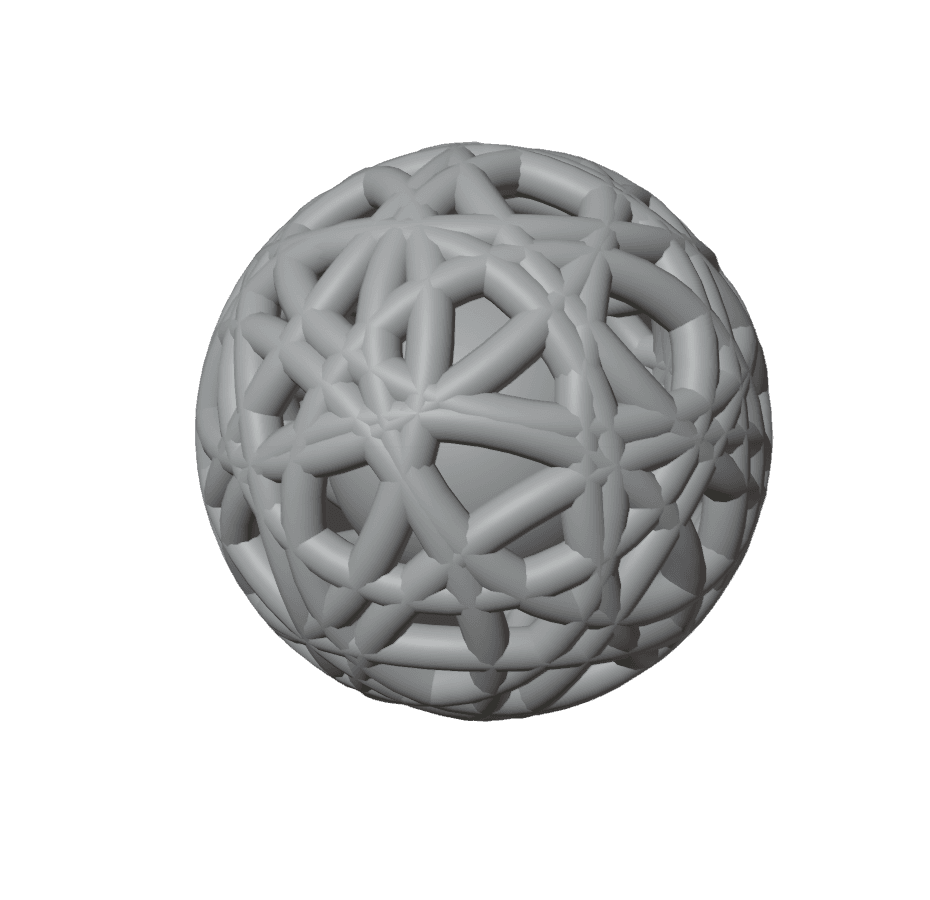
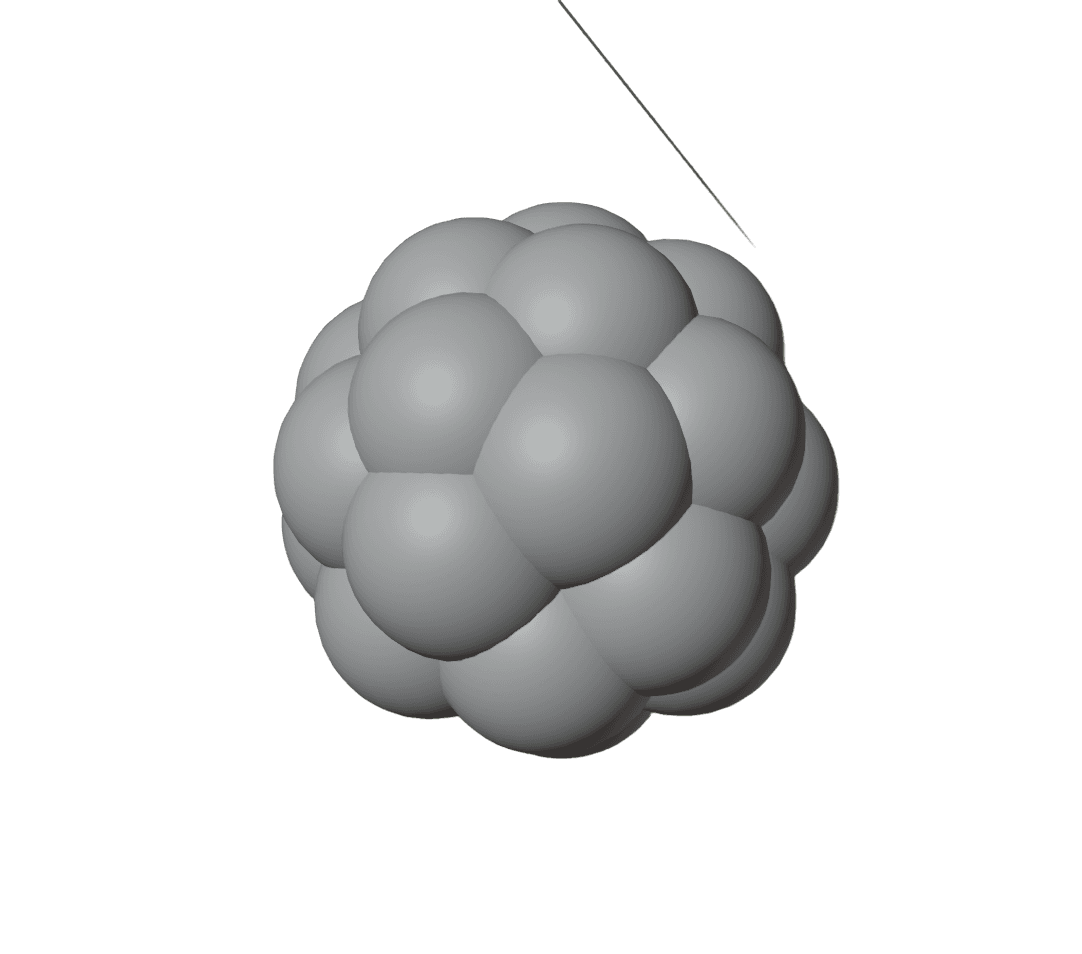
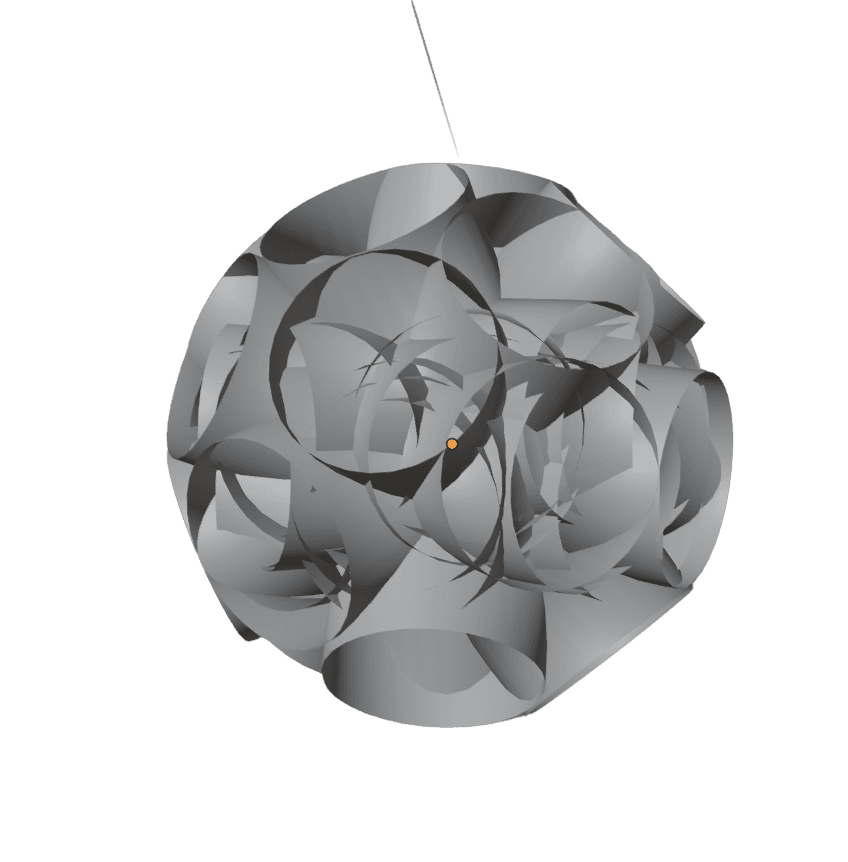
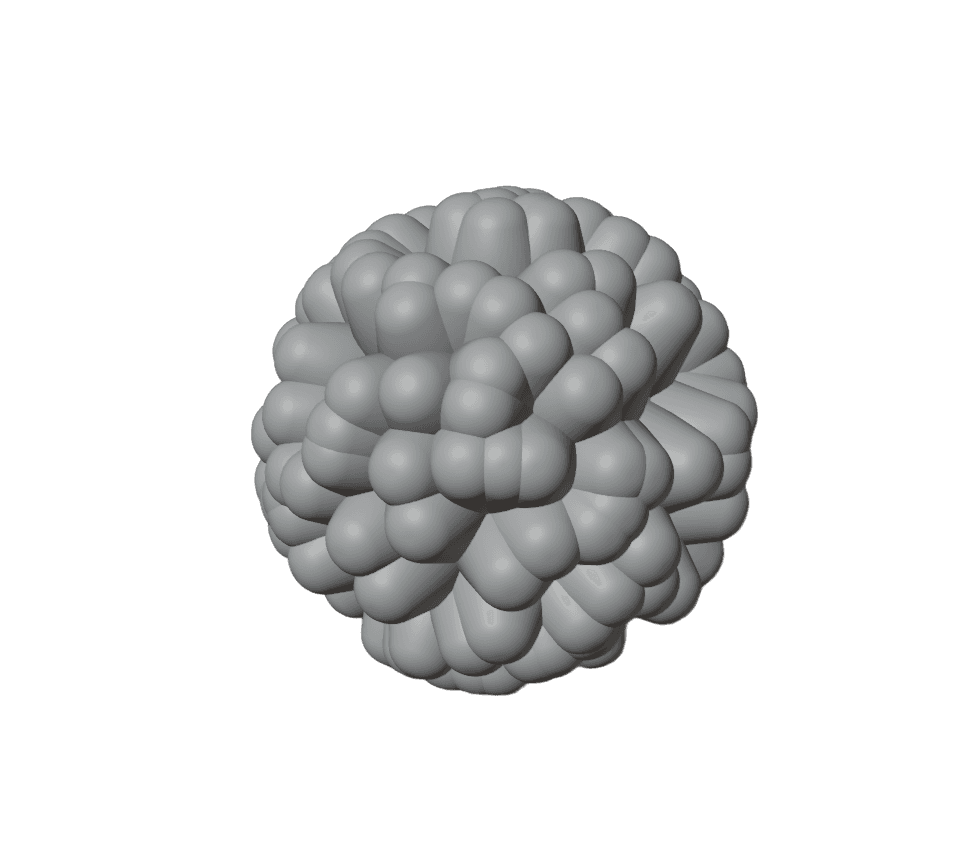
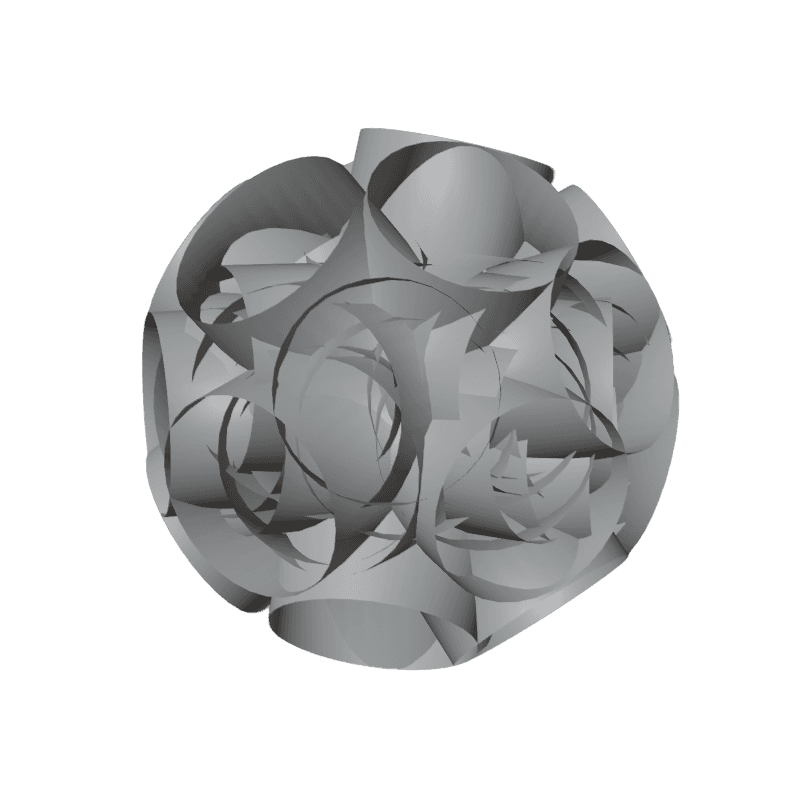
Deliberately avoiding the aesthetic of a biology textbook, the egg cell was designed as an abstract, visually compelling object with layered materiality references. The outer cage structure references to the social suppression and lack of visibility the ovulation cycle has historically faced. The nucleus is shown in a pearlescent tone, representing the most precious and generative part of the cell. We initially explored various materialities for the egg cell in Blender to find the right visual expression.
The Hormones
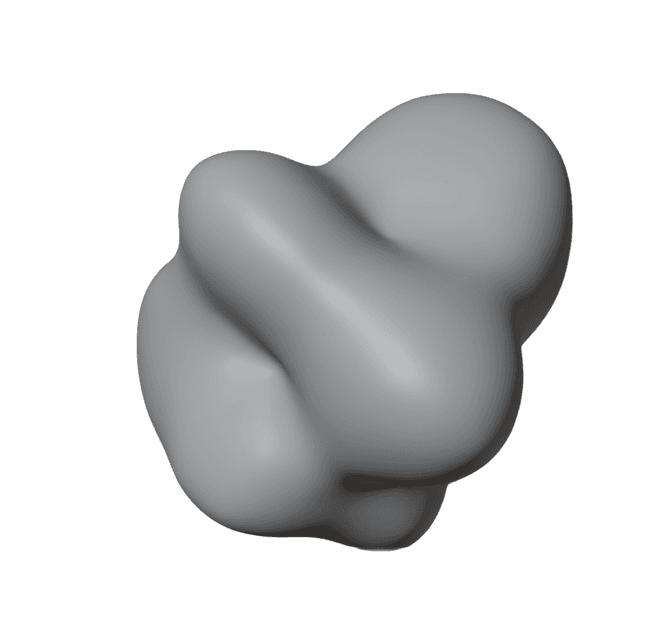
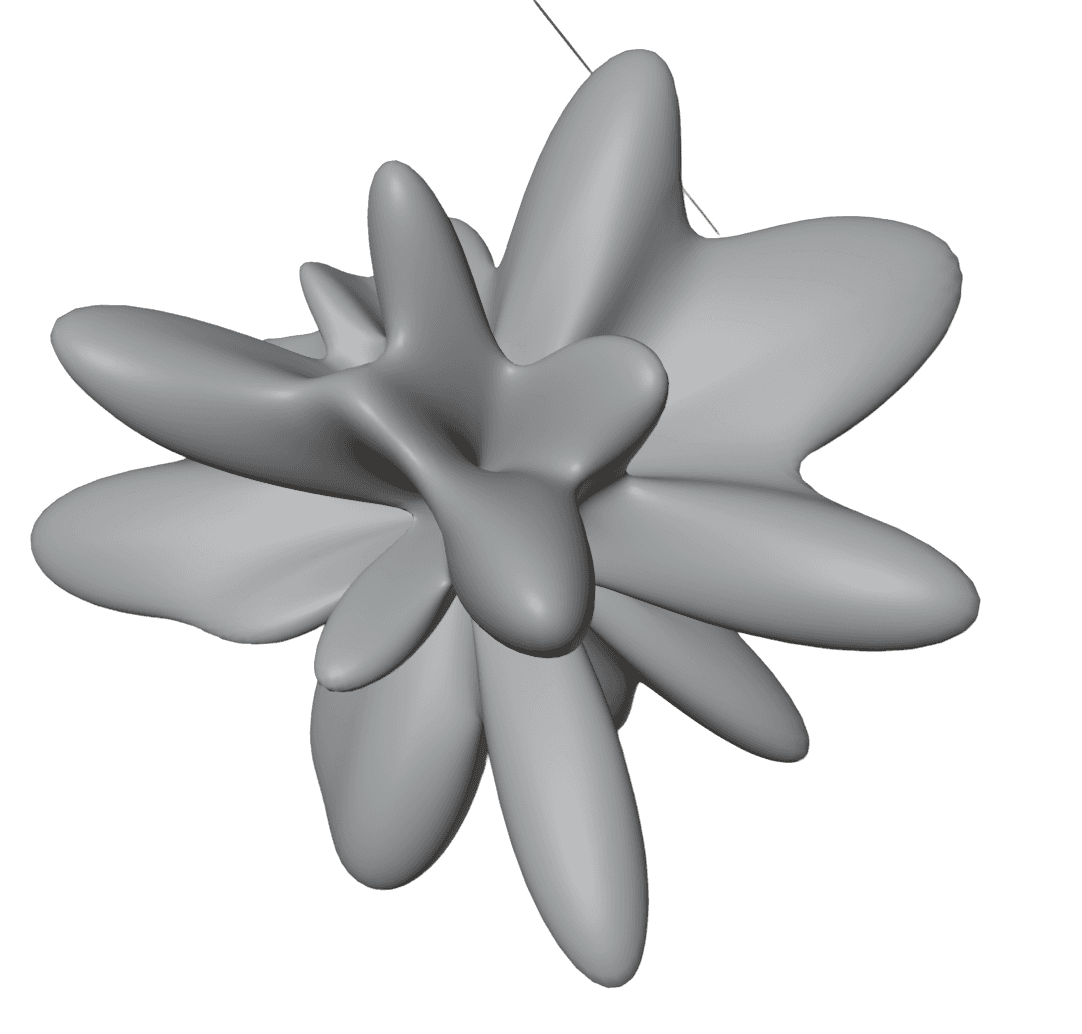
What do hormones look like?
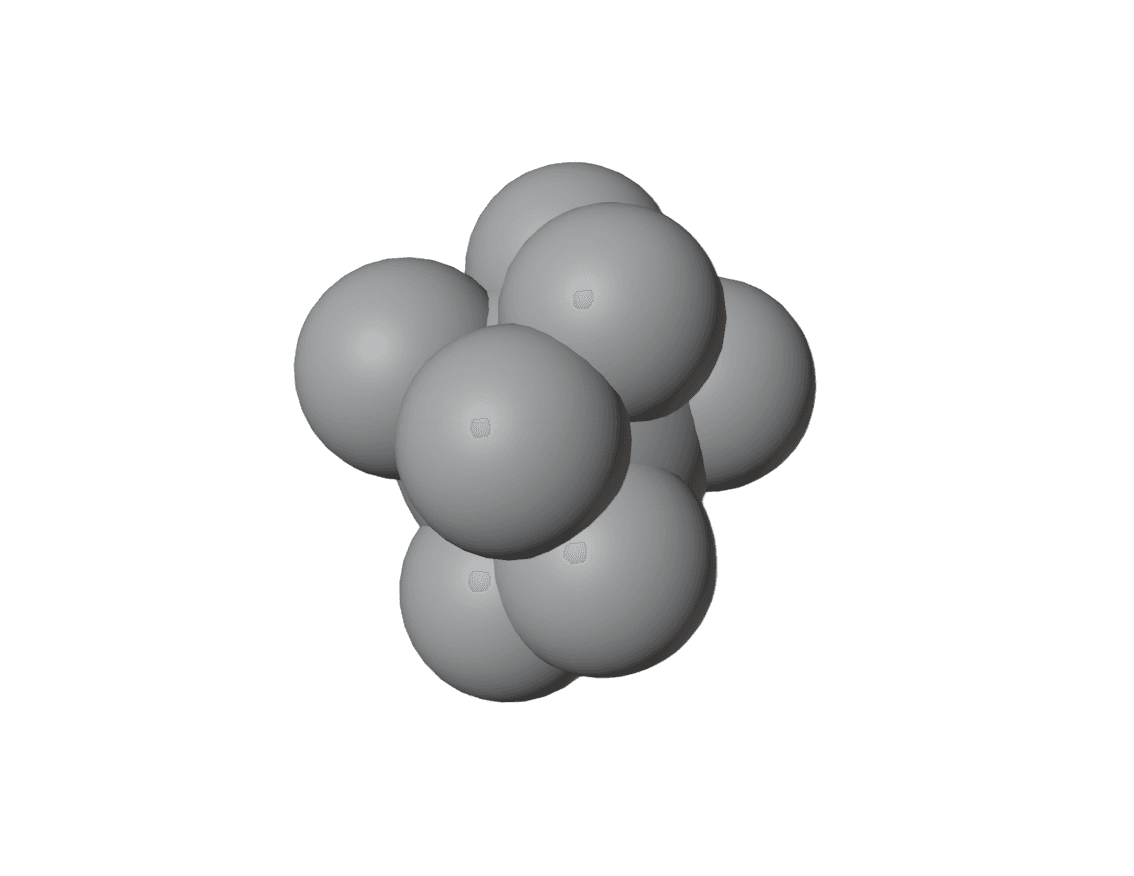
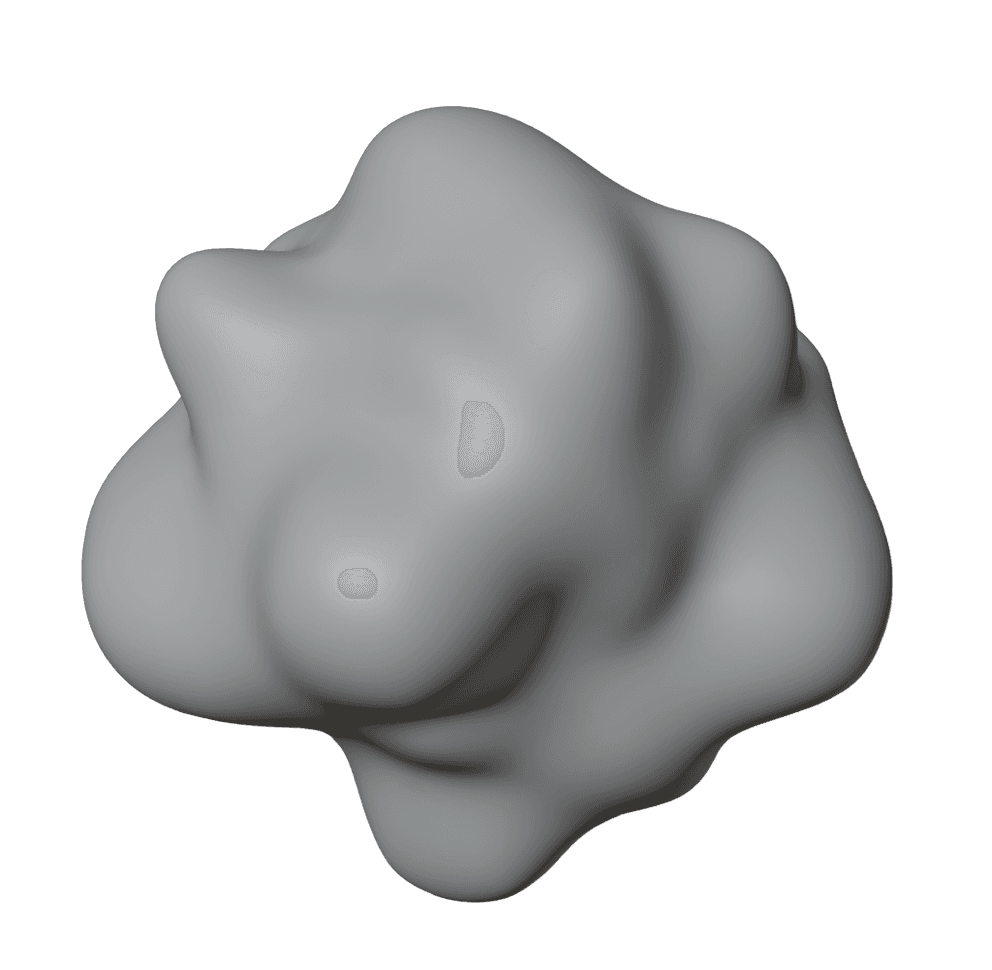
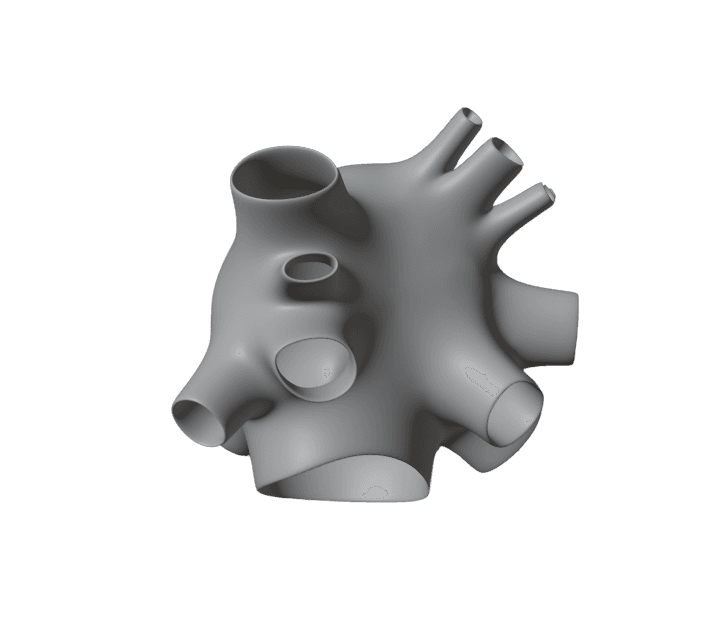
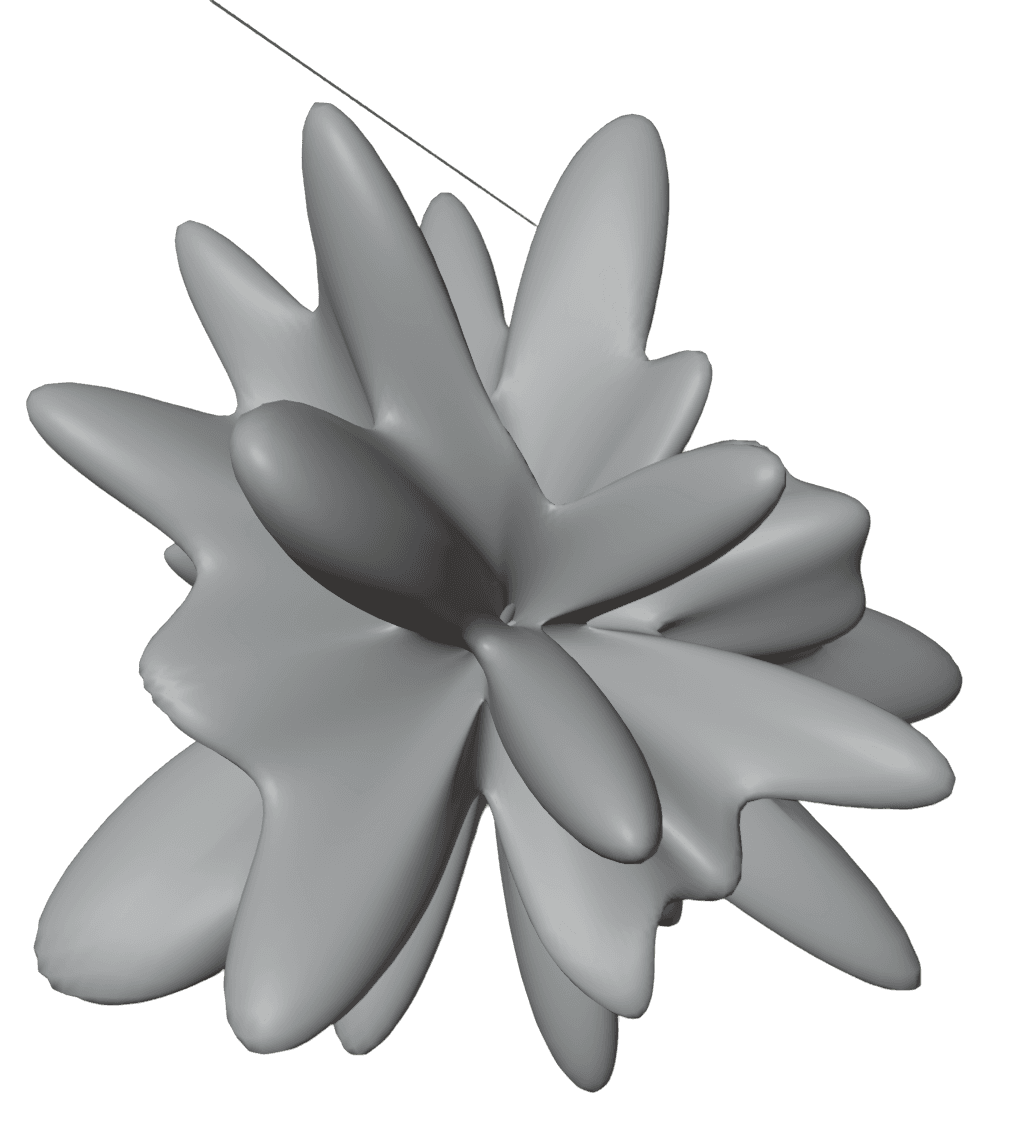
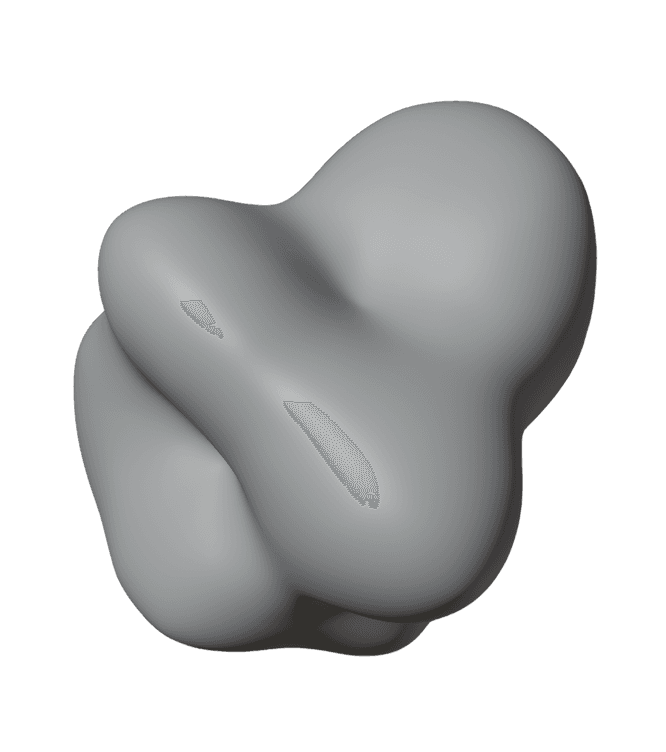
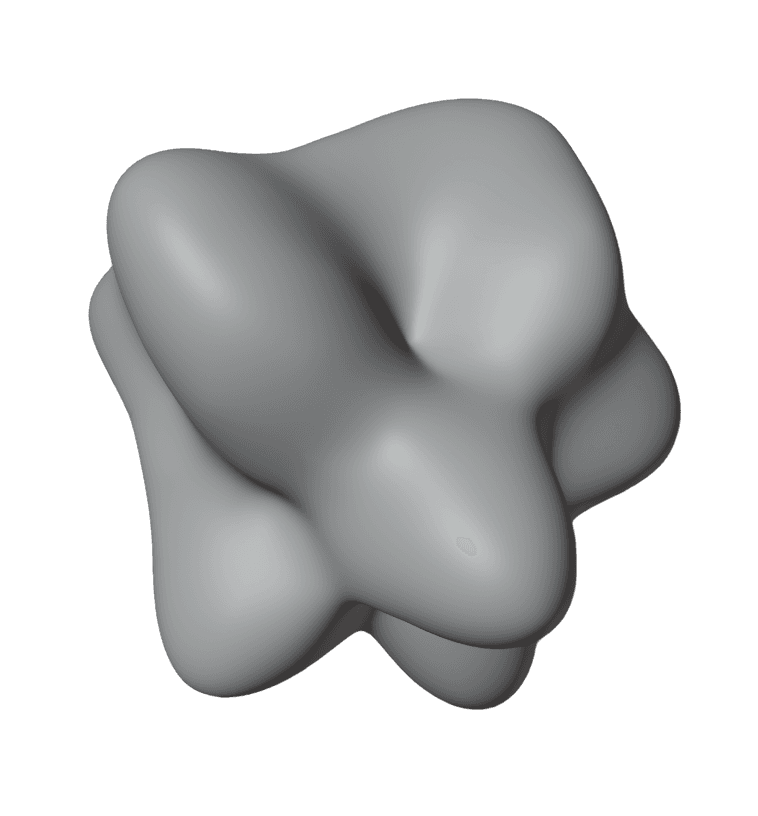
Because of their extremely small size, existing visualisations are scarce. We had to develop our own visual language from scratch, one that highlights their essential role while staying in harmony with the rest of the scene. This came out of a long iteration process. The final forms are consistent but adaptable and deliberately kept abstract.

Progesteron
Progesteron
Prepares and maintains the uterus for pregnancy after ovulation and supports early stages of pregnancy.
Prepares and maintains the uterus for pregnancy after ovulation and supports early stages of pregnancy.

























Technical
We built the experience in SwiftUI and RealityKit for visionOS, with 3D assets made in Blender and composed in Reality Composer Pro. It was our first time working with the platform, which meant a lot of figuring out on the go, facing challenges like an unfamiliar shader system, export issues between Blender and Reality Composer, and coordinating code between two people via GitHub. Working across tools and as a development team for the first time taught us a lot about compatibility, and designing within technical constraints.


Final Product and Outlook
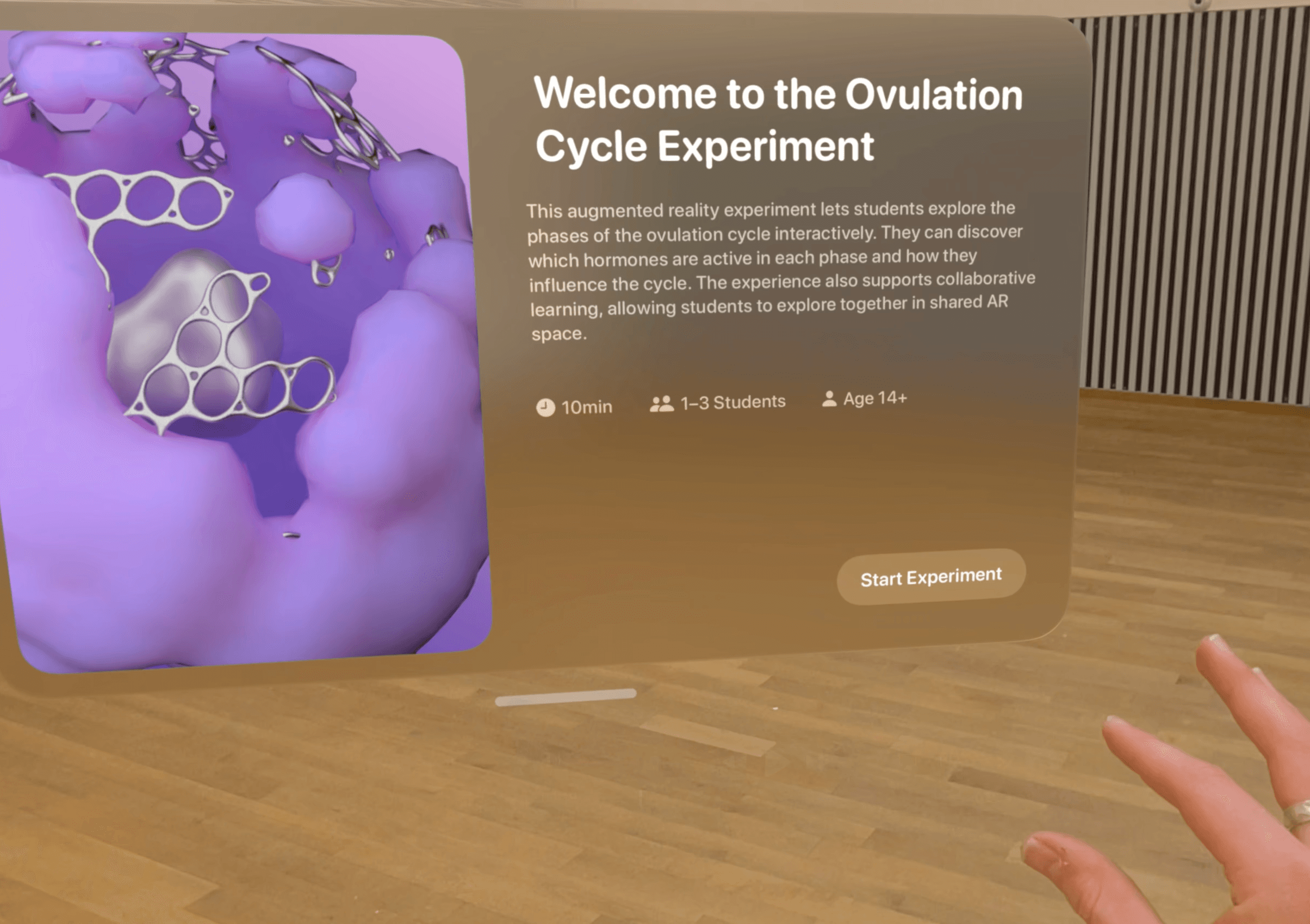
The current prototype demonstrates the core experience, like walking through the three phases, dragging hormones, and hearing the cycle explained in space. In a final product, the experience would begin with a short onboarding and support up to three students exploring together in the same AR space. Going further, we'd want to fully animate the egg cell across all phases, expand the spatial layout to make each phase more distinctly its own area, and add more hormone feedback.


© 2025 Elena Fabrikant. All rights reserved.
The Ovulation Cycle
Experiment
2025
The ovulation cycle is one of the most fundamental biological processes in the human body, but it is consistently taught in a way that makes it nearly impossible to retain. Without a way to experience the cycle, especially without a bodily experience, the knowledge rarely sticks.
The Egg Cell
Exploring different materialities and avoiding the aesthetic of a biology textbook, the egg cell was designed as an abstract, visually compelling object with layered materiality references. The outer cage structure references to the social suppression and lack of visibility the ovulation cycle has historically faced. The nucleus is shown in a pearlescent tone, representing the most precious and generative part of the cell.
Role
Product Design
3D
UX Design
Softwares used
Figma
Blender
Onshape
Reality Composer
Swift UI
Category
Agumented Reality
Proposal
The Ovulation Cycle Experiment is an augmented reality experience for Apple Vision Pro, designed for secondary school students, that makes the cycle physically explorable, interactive and memorable. Inspired by classic hormone cycle diagrams, the experience focuses on the three phases of the ovulation cycle and the four key hormones FSH, LH, estrogen, and progesterone. Students drag the hormones through space, walk around the egg cell, and hear the cycle explained as they go.
This work was created in a group of four as part of the Module Mobile User Interface at Zurich University of the Arts (ZHdK), supervised by Jürgen Späth and got published in the Hochparterre Campus.
Interview Link
Progesteron
Prepares and maintains the uterus for pregnancy after ovulation and supports early stages of pregnancy.
Technical
We built the experience in SwiftUI and RealityKit for visionOS, with 3D assets made in Blender and composed in Reality Composer Pro. It was our first time working with the platform, which meant a lot of figuring out on the go, facing challenges like an unfamiliar shader system, export issues between Blender and Reality Composer, and coordinating code between two people via GitHub. Working across tools and as a development team for the first time taught us a lot about compatibility, and designing within technical constraints.

The Hormones
What do hormones look like?
Because of their extremely small size, existing visualisations are scarce. We had to develop our own visual language from scratch, one that highlights their essential role while staying in harmony with the rest of the scene. This came out of a long iteration process. The final forms are consistent but adaptable and deliberately kept abstract.
Final Product and Outlook
The current prototype demonstrates the core experience, like walking through the three phases, dragging hormones, and hearing the cycle explained in space. In a final product, the experience would begin with a short onboarding and support up to three students exploring together in the same AR space. Going further, we'd want to fully animate the egg cell across all phases, expand the spatial layout to make each phase more distinctly its own area, and add more hormone feedback.